A sewage backup inside a Chula Vista home needs a defined scope before cleanup begins. Start by identifying where the water appeared and which rooms or materials may be involved. Restore Pro SD can match you with a licensed, independent local water damage professional.

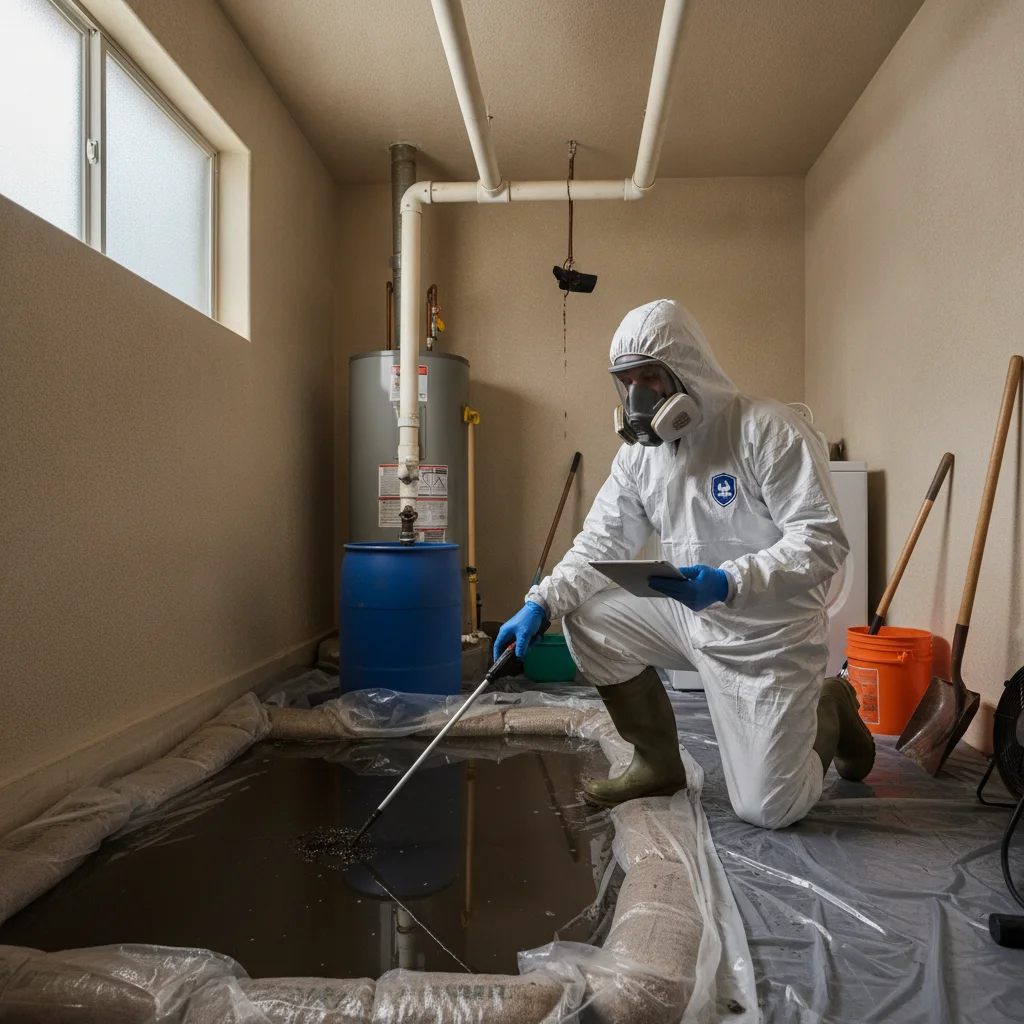
An independent cleanup professional in protective gear assessing a contained sewage backup inside a Chula Vista home

Identify the backup source before cleanup starts

A cleanup scope should begin with what happened, where it started, and what remains unresolved. Note the first place you saw water. Record which fixtures were in use and whether the flow stopped. Share any plumbing work or earlier backups that may relate to the event.

Don’t assume the nearest toilet or drain caused the problem. Ask the matched professional to explain what can be confirmed through inspection. The visible opening and the underlying source may require different trades. Ask whether a separate plumbing evaluation belongs in the plan.

Walk through the sequence with the pro before authorizing removal. Which room showed damage first? Did water reach a hallway, closet, garage, or shared wall? Is the affected space on the lowest occupied level? Those details help define what should be inspected. They also give the contractor a clearer starting point.

Responsibility for a private line, shared line, or public system can depend on the address and property arrangement. The approved claims ledger doesn’t confirm a Chula Vista rule that assigns that responsibility. Ask the property manager, relevant utility, or city department serving the address. Request the current rule in writing when responsibility affects the work.

Photograph visible conditions and keep any notices you receive. Ask the professional to separate confirmed findings from open questions. Cleanup can then proceed from an actual scope, not a guess about the source.

How contamination changes removal and cleaning

The cleanup plan should identify how the affected water is being evaluated. Ask the pro what observations support that evaluation. Then ask how those findings change removal, cleaning, drying, and access decisions.

The approved claims ledger doesn’t contain a verified contamination threshold or health rule. This page won’t invent one. For current public information, read the CDC cleanup guidance directly. Ask the matched professional which current procedures apply to your Chula Vista home.

A written scope should name every material being considered. That may include flooring, baseboards, drywall, cabinets, doors, or personal property. Ask what the pro plans to inspect, remove, clean, or leave in place. Each decision should connect to a documented condition.

Also ask how the contractor will keep the defined work area separate. The answer should describe the actual rooms and openings involved. It shouldn’t rely on vague phrases such as “treat the whole area.”

Our sewage cleanup referral service connects homeowners with licensed, independent local professionals. Restore Pro SD doesn’t decide which materials can remain. The independent contractor inspects the property, proposes the scope, and performs the physical work.

If another trade must correct the source, identify that handoff early. Ask who will confirm the source is addressed before enclosed areas are restored. Keep cleanup, plumbing, reconstruction, and property management decisions distinct in writing.

What may need checking beyond visible damage

The visible area shouldn’t be the only area discussed. Ask whether inspection should extend to adjoining rooms, closets, cabinets, wall edges, or the level below. The answer should reflect the home’s layout and the observed path of the backup.

Flooring deserves a material-specific discussion. Ask how the pro will evaluate the finished surface, edges, transitions, and material beneath it. Don’t accept one decision for every floor type without an explanation. A tiled bathroom, carpeted bedroom, and nearby hard-surface hallway present different inspection questions.

Walls and built-ins need the same level of detail. Ask whether baseboards, drywall edges, cabinet panels, or door trim require checking. If the backup occurred beside a tub, vanity, or toilet, ask how concealed edges will be evaluated. The contractor should explain what evidence would lead to removal or further inspection.

Odor alone shouldn’t become the entire scope. Ask the pro to document visible conditions and any measurements used. Request the location of each reading and what it means for the proposed work. If a method or threshold comes from an outside standard, ask for its exact name and current version.

Our countywide guide to sewage backup cleanup in San Diego offers broader planning questions. Your Chula Vista scope still needs to reflect the specific rooms, materials, and property arrangement involved.

An independent cleanup professional in protective gear checking flooring and baseboards in the room next to a contained sewage backup

Why South Bay property details belong in the scope

A Chula Vista address doesn’t reveal the home’s construction or access conditions. The cleanup pro still needs property-specific information. Start with the building type, affected level, floor assembly, and access route.

Tell the pro whether the property is detached, attached, rented, or managed by an association. Note shared walls, common areas, restricted entrances, or parking limits. These details may change who needs notice and how the contractor proposes access. They don’t prove who bears legal or financial responsibility.

The same care applies across South Bay. Don’t accept a scope based only on another nearby job. A professional should inspect the actual Chula Vista property and explain how its layout affects the proposed work.

Identify every party who may control part of the property. That could include an owner, tenant, property manager, or association. Ask who can approve access and material removal. If responsibility isn’t clear, request the governing documents or written direction from the appropriate party.

Local permit, disposal, utility, and sewer requirements weren’t confirmed in the approved claims ledger. Ask the contractor which current requirements apply to the address. Then verify those requirements with the city, county, utility, or other authority the contractor names. Don’t rely on an uncited rule or a figure recalled from another project.

A useful scope should record these Chula Vista property details. It should also flag anything still awaiting approval or verification. That helps prevent building access, shared-property issues, and unresolved source work from disappearing inside one broad cleanup line item.

What to ask the matched cleanup pro

Use the first conversation to test how clearly the professional defines the job. Ask direct questions and request written answers where they affect price or scope.

Consider asking:

  • What source has been confirmed, and what remains uncertain?
  • Which rooms and materials will you inspect?
  • What conditions support each removal or cleaning decision?
  • How will you document affected and adjoining areas?
  • Does another trade need to correct the source?
  • Which property approvals are needed before removal starts?
  • Which local requirements apply to this Chula Vista address?
  • What work is excluded from your proposal?
  • Who provides any warranty, and what does it cover?
  • Who will hold the contract and receive payment?

Ask for the contractor’s legal business name and license information. Check those details through the CSLB license lookup. The approved ledger confirms that Restore Pro SD matches customers with licensed, independent water damage professionals. It doesn’t verify a particular contractor’s license record for you.

Restore Pro SD is the referral service. We don’t perform cleanup, employ the contractor, set the price, or provide a warranty. You contract with and pay the independent professional directly. Read that contractor’s proposal before approving work.

The proposal should distinguish findings from allowances and unresolved items. Ask how changes will be documented if inspection reveals a larger or smaller affected area. Also ask who can approve those changes. Clear answers matter more than broad promises.

Before work begins, keep copies of the scope, contractor details, photos, and property communications. If an insurer, owner, or association is involved, ask each party what documentation it requires. Don’t assume one party’s paperwork satisfies another party’s process.

When to call us

Call when a sewage backup in a Chula Vista home needs evaluation by a licensed water damage restoration pro. Restore Pro SD will match you with an independent local professional who can inspect the property and propose the work.

Call us at (858) 400-4586. The line plays a recording-consent notice, then takes a recorded and transcribed message. It isn’t answered live and doesn’t forward.