A mold inspection in San Diego usually costs $300 to $1,000, with most homes under 4,000 square feet landing around $300 to $400. A visual inspection finds the problem and its moisture source. Lab testing, which adds $250 to $500, confirms the type and spore count. You don’t always need testing. You almost always need to find the water.

An inspector in a San Diego home holding a moisture meter against a baseboard, checking a wall near a window with morning marine-layer fog visible outside.

What a mold inspection actually includes

A real inspection is more than a flashlight and a guess. A good inspector walks your property and reads the moisture, not just the stains. Here’s what that looks like.

They check visible growth on walls, ceilings, baseboards, and under sinks. They use a moisture meter to find wet drywall and framing. Many use a thermal camera to spot cool, damp spots behind surfaces. They look for the source, since mold is a symptom of water. And they document everything so you know the scope before anyone tears into a wall.

The inspection answers three questions. Where is the moisture coming from. How far has it spread. What needs to come out. Without those answers, any quote you get is a guess.

How much does mold inspection cost in San Diego?

San Diego pricing runs a bit above the national average because labor and cost of living are higher here. Below are typical ranges so you can spot a fair quote from an inflated one.

ServiceTypical San Diego cost
Visual inspection (small/medium home)$300 to $400
Visual inspection (over 4,000 sq ft)$700 to $1,000
Air sample test (per sample, lab included)$250 to $350
Surface or swab test (per sample)$200 to $300
HVAC mold test$50 to $75 extra
DIY home test kitUnder $40

A few things worth knowing. Air sampling needs at least two samples to mean anything, one inside and one outside as a baseline. So testing rarely stops at a single fee. Black mold and harder-to-identify species can push lab work toward $600 to $800. And a cheap DIY kit will tell you mold exists, which you probably already suspected, but it won’t tell you where the water is or how far it spread.

Do you actually need mold testing?

Often, no. This surprises people, but it lines up with the EPA’s own guidance.

The EPA says that if you can already see mold, testing usually isn’t necessary before cleanup. You know it’s there. The fix is the same regardless of the exact species. Spend the money on removing it and stopping the water, not on a lab report that confirms what your eyes already told you.

Testing earns its cost in specific cases. You smell mold but can’t find it. Someone in the home has asthma or a weakened immune system and a doctor wants the species identified. You’re buying or selling a home and need documentation. Or you’ve already paid for remediation and want a clearance test to prove the air is clean afterward. That last one is the most worthwhile test most homeowners ever buy.

If a company pushes a $700 testing package before they’ve even looked for the leak, that’s a flag. Find the water first.

A technician in protective gear taking an air sample with a pump and cassette inside a contained room during a mold assessment.

Why San Diego homes get mold in the first place

San Diego feels too dry for mold. Then you check behind the baseboards. Our climate creates its own quiet mold problems, and they don’t look like the soggy basements you see in other states.

The marine layer is the big one. Coastal neighborhoods like Ocean Beach, Pacific Beach, La Jolla, and Encinitas sit under damp morning fog much of the year. That humidity settles into closets, north-facing walls, and rooms that don’t get much air. You don’t need a flood. You need a closet that never dries out.

Slab leaks are the inland version. San Diego’s expansive clay soil swells and shifts, and over years that movement cracks the copper lines under your slab. The leak runs for months under the floor before a warm spot or a high water bill gives it away. By then there’s mold under the flooring and inside the bottom plate of the wall.

Atmospheric rivers add the sudden version. When those winter storms park over the county, roofs leak, yards flood, and water gets into walls fast. Mold can start growing in those wet materials within 24 to 48 hours. If you went through a storm and dried things slowly, an inspection is a smart call. Our guide on whether water damage will grow mold walks through that timeline.

What to ask before you hire an inspector

You don’t need to be an expert. You need a few good questions that separate a real pro from someone selling a report.

Ask whether they follow IICRC standards, the industry’s accepted guidelines for inspection and remediation. A serious company will know exactly what that means. Ask if the inspection includes finding the moisture source, not just spotting visible mold. Ask whether the person inspecting also profits from the remediation, since some homeowners prefer an independent inspector to avoid a conflict of interest. And ask what’s actually in the written report.

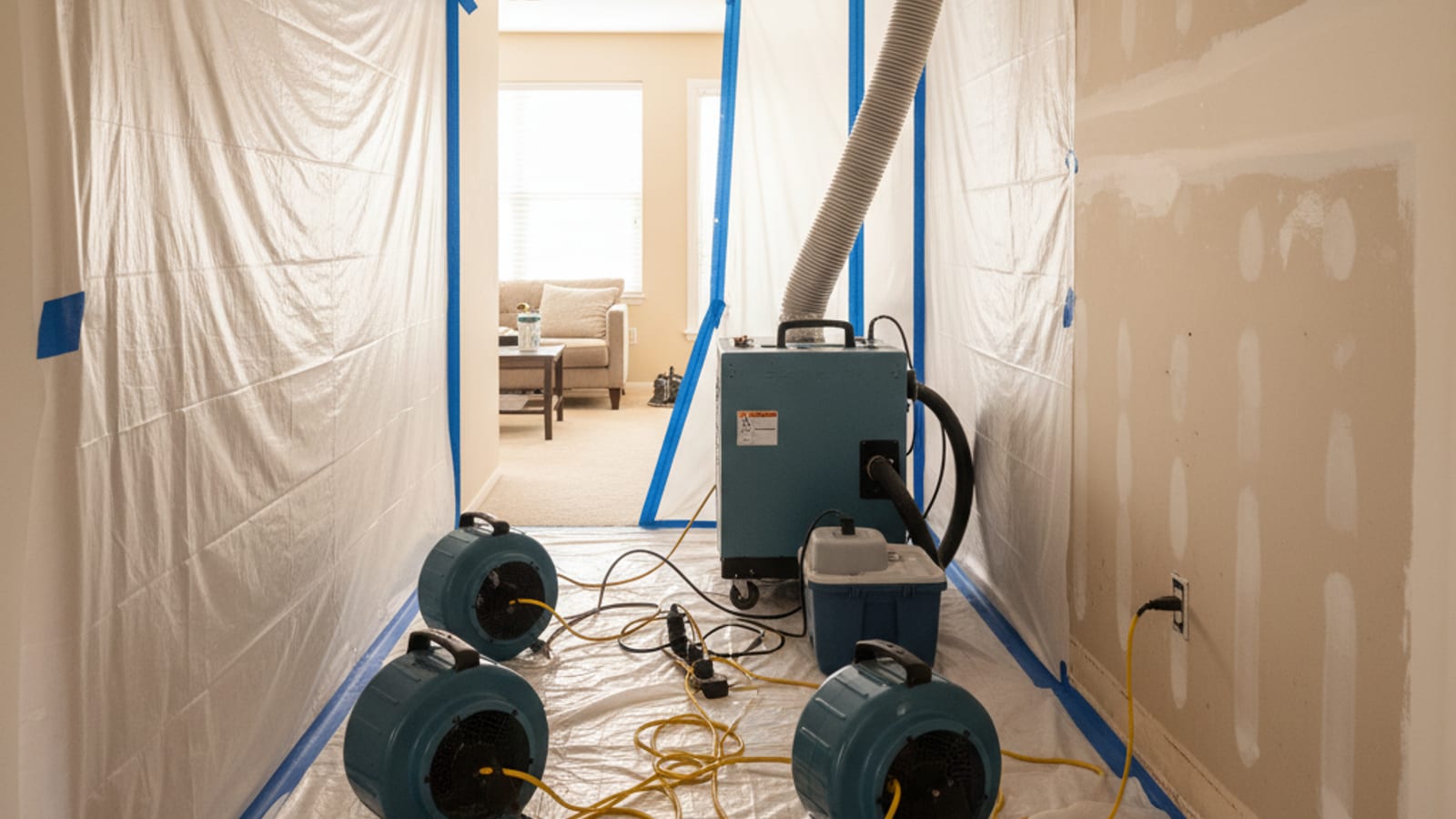
If you’ve already found mold and water damage, you may be past the inspection stage and into cleanup. Our mold remediation service covers containment, removal, and drying the structure out so it doesn’t come back. The process behind professional remediation post breaks down each step.

Frequently asked questions

How much does a mold inspection cost in San Diego?

A visual inspection runs $300 to $400 for most homes and $700 to $1,000 for homes over 4,000 square feet. Lab testing adds $250 to $500 on top, depending on how many samples you take.

Is mold inspection the same as mold testing?

No. An inspection finds visible mold and the moisture feeding it. Testing takes air or surface samples to a lab to identify the species and spore count. You can have an inspection without paying for testing.

Do I need a test if I can already see the mold?

Usually not. The EPA notes that if mold is visible, testing isn’t required before cleanup, since the removal steps are the same regardless of type. Testing makes more sense for hidden mold, health concerns, or a clearance check after remediation.

Are DIY mold test kits worth it?

They cost under $40 and can confirm mold is present, but they won’t find the water source or measure how far it’s spread. They tend to give false positives too, since mold spores exist in nearly all air. For anything beyond curiosity, a professional inspection tells you far more.

How fast does mold grow after water damage in San Diego?

Mold can start within 24 to 48 hours of materials staying wet. After an atmospheric river or a slab leak, the faster you dry the structure, the lower your risk. Slow drying is what turns a leak into a remediation job.

Does homeowners insurance cover mold inspection?

Sometimes, when the mold comes from a covered sudden event like a burst pipe. It usually won’t cover mold from long-term humidity or a leak you knew about. We work with your insurance claim and can help document the moisture source for the adjuster.

Found mold or a leak you can’t trace?

If you’re smelling something musty, seeing stains spread, or you went through a storm and want to be sure, get eyes on it before it grows. We offer 24/7 emergency response across San Diego County, fast water extraction, and we work with your insurance claim. Call Restore Pro SD at (858) 925-5546 and we’ll help you figure out what you’re actually dealing with.