TL;DR

  • Drying a typical San Diego water loss takes 3 to 5 days with equipment running around the clock.
  • Full restoration, including rebuild and repairs, usually runs 1 to 3 weeks start to finish.
  • Clean-water losses dry fastest. Sewage, mold, and category 3 jobs add days for safety steps.
  • Marine-layer humidity and dense slab foundations make San Diego dry slower than dry inland markets.
  • The faster you start extraction, the shorter the whole job runs. Standing water compounds damage every hour.

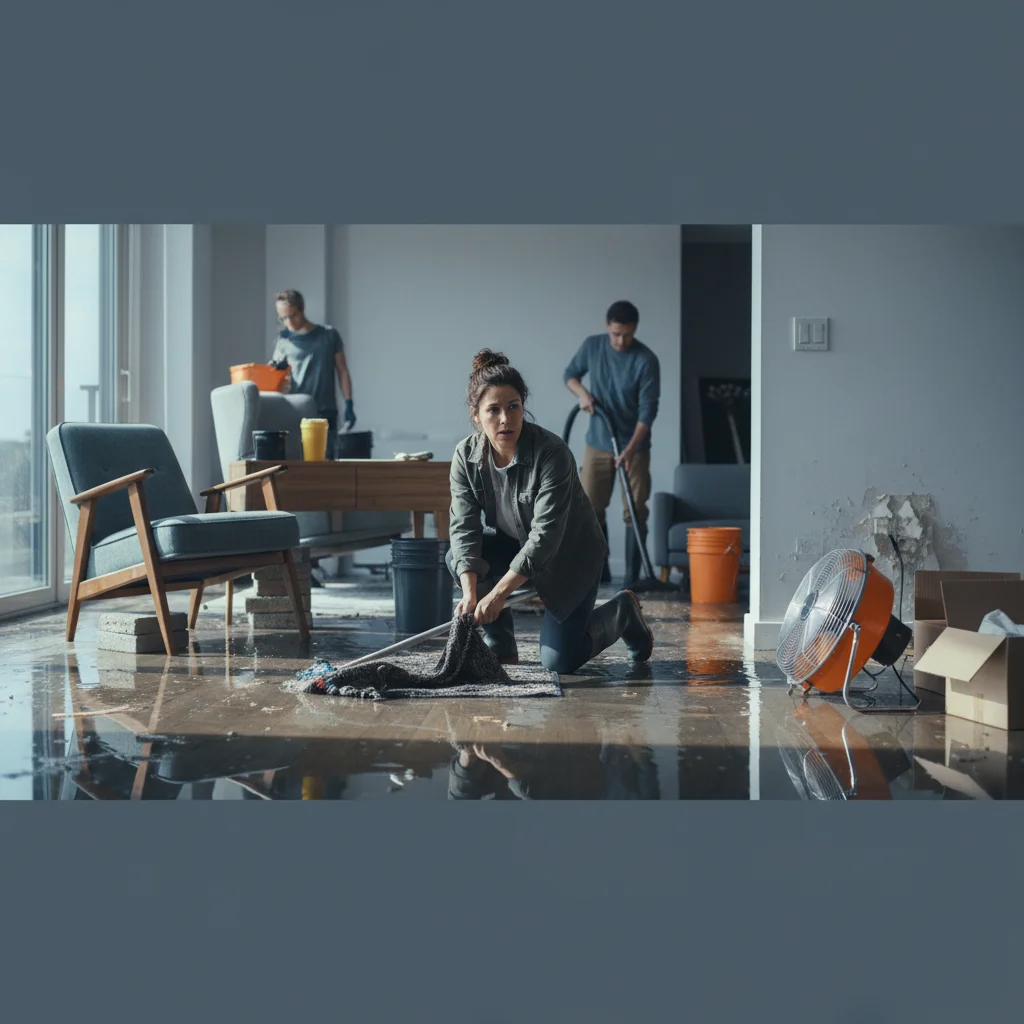
Water damage restoration in San Diego usually takes 3 to 5 days of active drying, then 1 to 3 weeks more for repairs and rebuild. Drying is the fast part. Putting the home back together is what stretches the calendar. The actual timeline depends on how much water sat, how long it sat, and what it touched.

How long does each phase take?

Restoration is not one job. It’s a sequence, and each phase has its own clock. Here’s the realistic breakdown for a standard San Diego home.

PhaseWhat happensTypical time
Emergency responseCrew arrives, stops the source, assessesWithin hours of your call
Water extractionStanding water pumped and vacuumed outA few hours to 1 day
Structural dryingAir movers and dehumidifiers run3 to 5 days
Drying verificationMoisture meters confirm dryPart of the final drying day
Repairs and rebuildDrywall, flooring, paint, fixtures1 to 3 weeks

Drying and rebuild are separate. A company can finish drying in four days and still hand the repair work to a different crew or contractor. Ask up front whether your company handles both, because that affects how long you wait to get your home back to normal.

Why San Diego dries slower than you’d expect

San Diego sounds like easy drying weather. It usually is. But three local realities slow things down.

The marine layer. Coastal cities like Pacific Beach, La Jolla, and Encinitas live under morning humidity for months. Higher outdoor humidity means dehumidifiers work harder to pull moisture from materials. Coastal jobs often run a day longer than inland ones in El Cajon or Poway.

Slab foundations on expansive soil. Most San Diego homes sit on concrete slabs. Slabs hold water and release it slowly. A slab leak that wicks into flooring and baseboards takes longer to dry than a second-story spill that drains down and out.

Older stucco and lath. Plenty of homes in North Park, Hillcrest, and Kensington have plaster and lath behind the walls. That material traps moisture deep and dries slower than modern drywall.

None of this doubles your timeline. It just explains why a contractor quoting two-day drying for a soaked coastal home is guessing, not measuring.

What changes the timeline most

Water category

The cleaner the water, the faster the job.

  • Category 1 (clean water): supply lines, faucets, rain. Dries fastest, often 3 days.
  • Category 2 (gray water): dishwasher, washing machine, toilet overflow with no solids. Adds a day for cleaning and sanitizing.
  • Category 3 (black water): sewage backups and flood water. Slowest, because contaminated materials get removed, not just dried.

If you’re dealing with a contaminated backup, the timeline math changes. Our sewage backup cleanup guide walks through what those extra safety steps involve.

How long the water sat

Time is the single biggest factor. Water that’s been sitting overnight has already wicked into drywall, subfloor, and framing. That’s more material to dry and more chance of mold. Acting in the first hours can be the difference between a 3-day job and a 2-week one. Our first 24 hours guide covers what to do before the crew arrives.

Mold

If mold has already started, it gets its own containment and removal steps. That can add several days and sometimes air testing on top. Mold tends to show up when water sat for more than a day or two, which is another reason fast response shortens everything.

Materials affected

Drying open drywall is quick. Drying hardwood, cabinetry, and insulation behind walls is slow. Hardwood floors in particular can take a week or more of controlled drying, and sometimes can’t be saved at all.

How drying actually gets verified

Drying isn’t done because five days passed. It’s done because moisture readings say so.

A proper crew sets moisture meter baselines on day one, then takes daily readings on every wet material. The home is dry when those readings match the dry standard for your area, not before. This is the part cheap operators skip. They pull equipment on a schedule instead of on data, and moisture left behind feeds mold weeks later.

If you want the full picture of how this phase works, read what structural drying is. It explains the equipment and the science in plain terms.

When you call a company, ask one question: do you verify dry with moisture meters before pulling equipment? The answer tells you whether they’re doing the job right.

A note on insurance timing

Insurance doesn’t usually slow drying, because emergency work starts before the claim is fully approved. Mitigation is time-sensitive, and carriers know it. The claim and the rebuild approval run in parallel with drying.

Where insurance does add calendar time is the rebuild. Adjusters review the repair scope, and that approval can take a week or two before reconstruction starts. A restoration company that documents thoroughly from minute one speeds this up. Good documentation means faster approval means a shorter total timeline.

Frequently asked questions

How long does it take to dry out water damage?

Active drying takes 3 to 5 days for a typical San Diego home, with equipment running 24 hours a day. Coastal homes under the marine layer and homes with hardwood or plaster can run a day or two longer.

Can water damage restoration be done in one day?

Extraction and equipment setup can happen in one day. Drying cannot. Materials need 3 to 5 days of continuous airflow and dehumidification to reach a verified dry standard. Anyone promising a one-day full restoration is cutting corners.

How long until I can live in my home again?

For minor losses, you can often stay in unaffected rooms during drying. For major or contaminated losses, you may be out for the drying period plus the rebuild, which can mean a few days to a few weeks total. Your insurance may cover temporary housing.

Does the marine layer really affect drying time?

Yes. Higher coastal humidity makes dehumidifiers work harder to pull moisture from materials. Homes in beach communities often dry a day slower than inland homes in the same condition.

What makes restoration take longer than expected?

The three big delays are contaminated water that requires removal, mold that needs containment, and slow-drying materials like hardwood and insulation. Late response is the biggest one. Water that sat overnight is a much longer job.

Who decides when drying is finished?

The restoration crew, using moisture meter readings, not a calendar. Drying ends when every wet material reads dry. Ask your company to confirm dry with meters before they pull equipment.

Get a real timeline for your home

Every water loss is different, and a real timeline comes from seeing the damage in person. Restore Pro SD handles water damage across San Diego County with 24/7 emergency response, fast extraction, and full water damage restoration from drying through rebuild. We work directly with your insurance claim so the paperwork doesn’t slow the job down.

Call us anytime at (858) 925-5546 for an honest assessment of how long your restoration will take.